Skip to content
Brake Theory

Safety Education

Brake smarter, stop safer

Habits and concepts that help you stop in time in every condition.
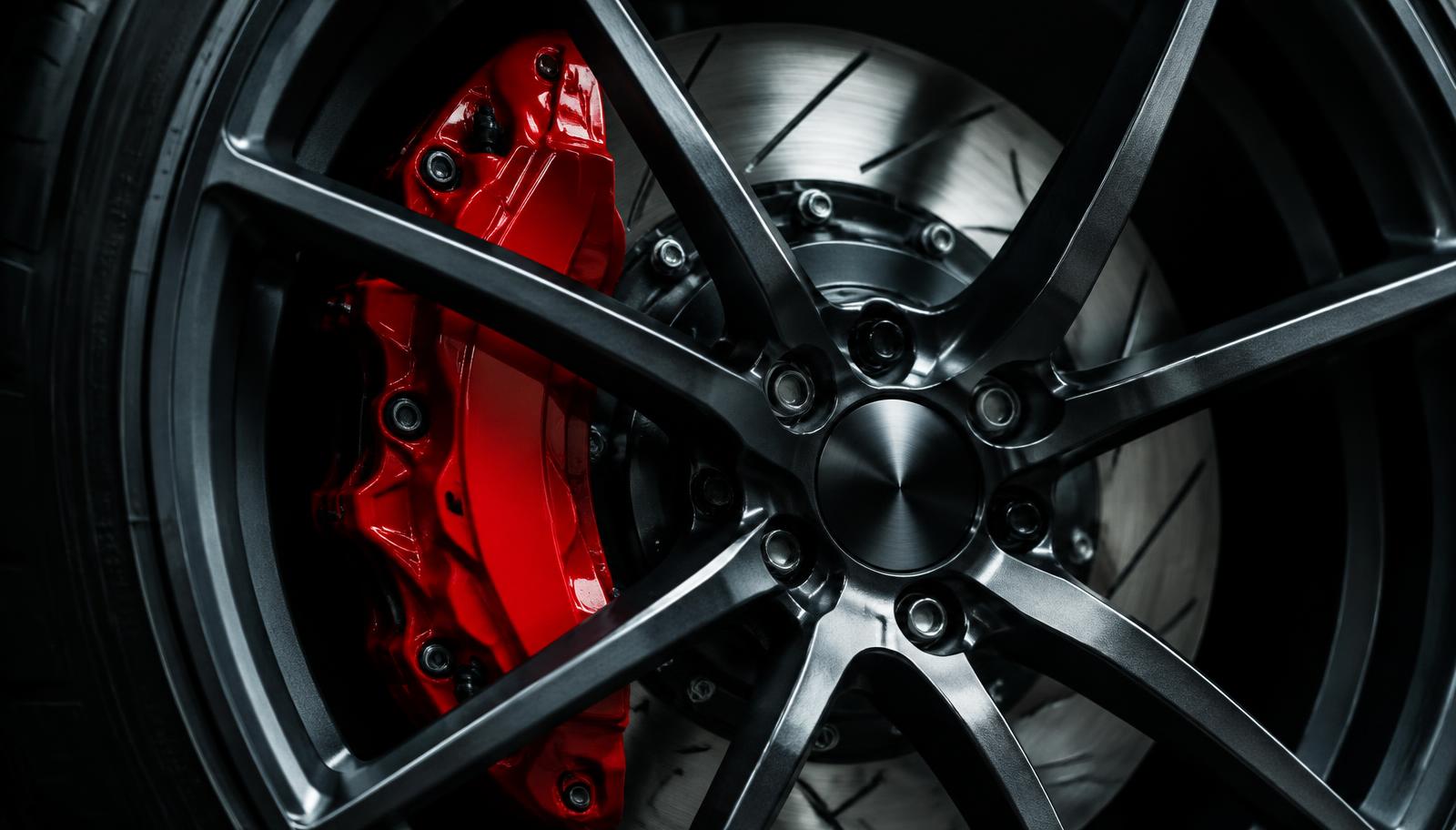
Close view of a brake rotor and caliper representing ABS controlled wheels

Anti-lock Braking Systems (ABS)

ABS rapidly modulates pressure to keep wheels from locking so you can still steer.

  • Wheel speed sensors watch each wheel. When one slows too quickly, a valve briefly releases and reapplies pressure.
  • In a hard stop you may feel pulsing in the pedal. That is normal. Keep firm, steady pressure and steer.
Car with headlights on approaching along a road

Stopping Distance

Total stopping distance is reaction distance plus braking distance.

  • Reaction distance is how far you travel before your foot reaches the pedal.
  • Braking distance grows roughly with the square of speed, so doubling speed can roughly quadruple braking distance.
  • Tire condition, road surface, load, and brake condition all affect the result.
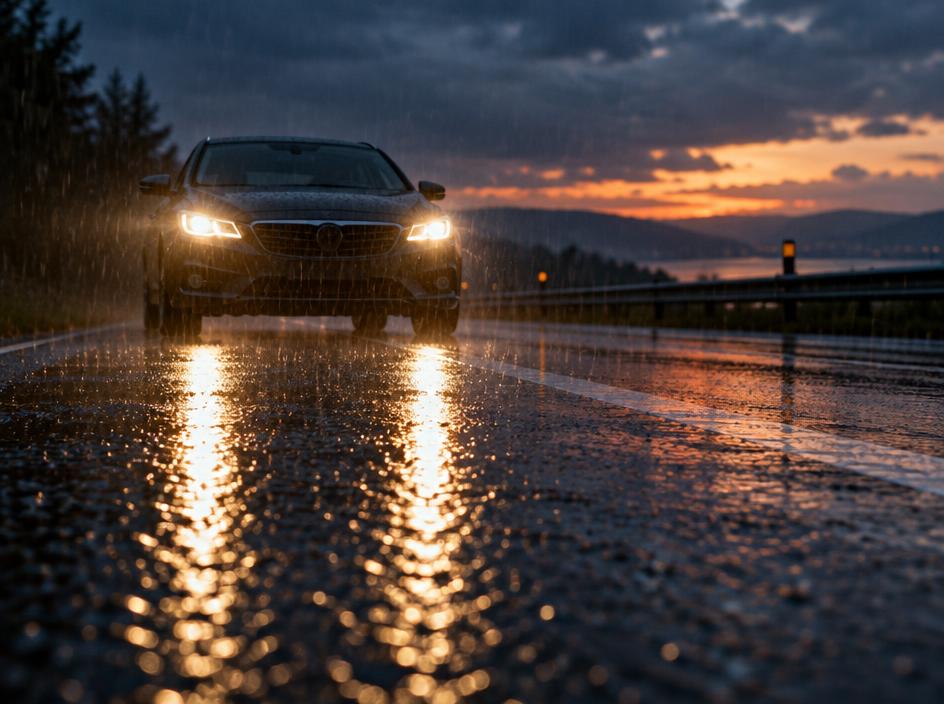
Wet road reflecting car headlights in the rain at dusk

Wet-Weather Braking

Water reduces tire grip, so stopping takes longer on wet roads.

  • Increase following distance and brake earlier and more gently.
  • Deep standing water can cause hydroplaning. Ease off the accelerator rather than braking hard.
  • After driving through deep water, light brake applications can help dry the pads and rotors.

How ABS Works

A wheel speed sensor reports how fast each wheel turns.

Braking Safety Checklist

0/7
Get Brake Safety Tips